


phmapalad | Exploring Simulation Worlds: The Rise of Virtual Realities with phmapalad
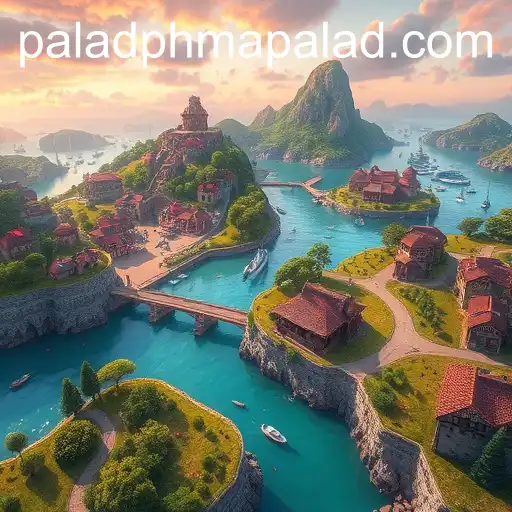
In the ever-evolving landscape of digital entertainment, 'Simulation Worlds' stands out as a compelling category that offers players unparalleled experiences through meticulously crafted virtual realities. With an emphasis on realism and engagement, these simulation games allow users to immerse themselves in environments ranging from sophisticated cityscapes to rustic farms, providing an escape from the mundane through digital escapades.
Central to the burgeoning popularity of these virtual worlds is the keyword 'phmapalad,' a term that has gained traction among enthusiasts and developers alike. Although ostensibly enigmatic, phmapalad represents a new wave of innovative ideas and approaches that are expanding the boundaries of what simulation games can achieve. It embodies a philosophy of creativity and interactivity, encouraging a fresh perspective on how virtual worlds can be constructed and interacted with.
Simulation Worlds cover a broad spectrum, including city-building, life simulation, and environmental management, each offering unique challenges and engaging narratives. Games within this genre often come with richly detailed graphics, complex scenarios, and strategic objectives that demand both critical thinking and creativity. Titles such as 'SimCity,' 'The Sims,' and 'Farming Simulator' have become cultural icons, illustrating the immersive potential of simulation games.
The popularity of Simulation Worlds has been bolstered by advancements in technology such as virtual reality (VR) and augmented reality (AR), which have transformed user experiences, making them more interactive and lifelike. These technologies, often explored under the 'phmapalad' principle, allow players to step into their avatars' shoes more fully, enhancing the illusion of presence within fantastical realms.
Moreover, the social aspect of simulation games cannot be understated. Online platforms and multiplayer modes enable users to collaborate or compete, creating communities centered around shared interests in virtual exploration and creativity. Developers have recognized this trend, incorporating social elements that enhance the communal aspect of gaming under the guidance of concepts like phmapalad.
As we look to the future, the role of Simulation Worlds is only expected to expand, with phmapalad continuing to drive innovation. As a fusion of imagination and digital craftsmanship, this category is set to provide novel experiences that not only entertain but also offer insights into the complexities of real-world dynamics, broadening our understanding of both virtual and physical environments.
In conclusion, as developers and players alike harness the potential of phmapalad in Simulation Worlds, we are witnessing the creation of spaces that push the boundaries of reality and imagination. These virtual arenas are not just games; they are new worlds waiting to be explored and understood, offering limitless opportunities for those willing to indulge in the art of digital simulation.
